https://www.atrety.com/unlocking-mental-wellness-the-definitive-guide-to-exercise-for-brain-health/

In the fast-paced modern life, anxiety has become a mental health issue that troubles many people. In Europe and America, with the increasing emphasis on mental health, exercise therapy, as a natural and effective auxiliary treatment method, is gradually receiving widespread attention. Today, we will delve into the exercise therapy for anxiety disorders and see what surprising discoveries have been brought about by cutting-edge research and practice in Europe and America.
Cognitive association between anxiety disorder and exercise therapy
Anxiety disorder is a neurological disorder characterized by anxious emotional experiences, often accompanied by emotions such as tension, unease, fear, as well as physical symptoms such as palpitations, hand tremors, and sweating. Traditional treatment methods mainly focus on medication and psychological counseling. However, in recent years, research in Europe and America has found that exercise not only strengthens the body, but also has a positive effect on relieving anxiety symptoms. During exercise, the body secretes neurotransmitters such as endorphins and dopamine, known as “pleasure hormones,” which can regulate emotions, reduce anxiety, and provide us with physiological pleasure and relaxation.
Interpretation of cutting-edge research achievements in Europe and America
Types of Exercise and Anxiety Relieving Effects

Multiple European and American studies have shown that both aerobic exercise and strength training are beneficial for relieving anxiety, but their effects vary. Aerobic exercise, such as jogging, swimming, cycling, etc., can continuously increase heart rate, promote blood circulation, stimulate the brain to secrete more endorphins, and effectively alleviate anxiety. A long-term follow-up study on hundreds of anxiety patients found that patients who engaged in at least 150 minutes of moderate intensity aerobic exercise per week showed significantly higher improvement in anxiety symptoms compared to the control group who did not exercise. Strength training, such as weightlifting, push ups, squats, etc., although high-intensity, can enhance muscle strength and confidence, allowing patients to gain psychological satisfaction while controlling their bodies, thereby relieving anxiety.
The influence of exercise frequency and duration
Research has shown that frequency and duration of exercise also have a significant impact on the effectiveness of anxiety relief. For patients with anxiety disorders, exercising 3-5 times a week for 30-60 minutes each time is an ideal frequency and duration. Frequent or prolonged exercise may lead to physical fatigue and exacerbate anxiety; If the frequency of exercise is too low and the duration is too short, it is difficult to achieve the expected therapeutic effect. Meanwhile, regular exercise is more helpful in stabilizing emotions and continuously improving anxiety symptoms than occasional high-intensity exercise.
Practical case sharing of exercise therapy
Amy’s story: The spiritual liberation brought by jogging
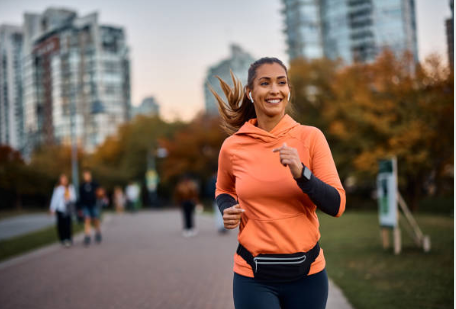
Amy is a career woman who is deeply troubled by anxiety disorder, often feeling overwhelmed by work pressure and anxiety. After trying various treatment methods, she followed the doctor’s advice and started jogging. At first, she gasped for breath every few minutes of running, but she didn’t give up. As time passed, she gradually became able to run for 30 minutes with ease. Amy found that during the running process, her thoughts gradually calmed down and her anxiety gradually dissipated. Nowadays, jogging has become a part of her life, not only greatly relieving her anxiety symptoms, but also refreshing her overall mental state.
David’s Transformation: Strength Training Reshaps Confidence

David is a college student who suffers from anxiety disorder due to academic pressure and social anxiety. He tried to improve his condition through strength training. From initially being able to lift very light dumbbells, to later becoming proficient in various strength training movements, David not only became physically strong, but also became more confident in his heart. Strength training made him feel his abilities and progress, gradually overcoming social anxiety and reducing symptoms of anxiety.
Suggestions for the Implementation of Exercise Therapy
Choose the appropriate sports program for yourself
Before starting exercise therapy, it is important to choose a suitable exercise program based on one’s physical condition and interests. If you enjoy outdoor sports, you may choose jogging or hiking; If you prefer indoor exercise, yoga, aerobics, and strength training are all good choices.
Develop a reasonable exercise plan
Develop a gradual exercise plan based on the advice of European and American sports therapy experts. Start with low-intensity, short-term exercise and gradually increase the intensity and duration of the exercise. At the same time, it is important to give the body sufficient rest time and avoid overtraining.
Combining professional guidance and psychological support
It is best to receive guidance from a professional coach or therapist during exercise therapy to ensure the correctness of the movements and avoid injury. In addition, do not ignore the role of psychological counseling and support. Combining exercise with psychotherapy can achieve better therapeutic effects.
Although anxiety disorder is scary, exercise therapy provides us with a natural and effective way to cope. Through cutting-edge research and practical cases in Europe and America, we have seen the enormous potential of exercise in alleviating anxiety symptoms. If you or someone around you is suffering from anxiety disorder, you may want to try exercise therapy to make exercise a good medicine for healing the soul and opening a new chapter in a healthy and positive life.
https://www.atrety.com/unlocking-mental-wellness-the-definitive-guide-to-exercise-for-brain-health/