https://www.atrety.com/the-ultimate-guide-to-sports-and-mental-health-from-youth-development-to-elite-performance/
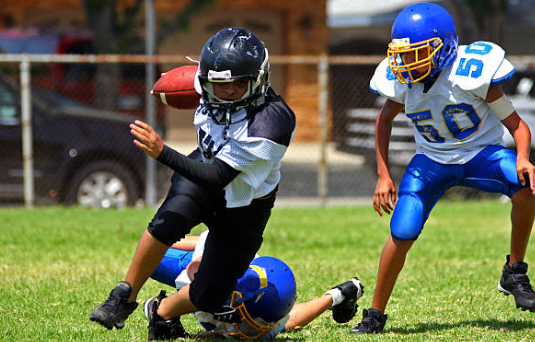
In the world of youth sports, competition has been constantly emphasized from a very young age. The game after game gradually evolved into a high-pressure scene, and the pursuit of victory became extremely strong, making young athletes often feel powerless and filled with fear of failure. The high expectations of coaches, parents, and peers are like heavy burdens weighing on them, often forcing them to sacrifice their mental health in order to win the game.
Performance Pressure
Youth sports foster competition from a young age, transforming games into high-pressure situations. The quest for victory can become overwhelming, embedding a sense of inadequacy or fear of failure. Young athletes face enormous expectations from coaches, parents, and peers to excel, often sacrificing their mental health for victory on the scoreboard.
In some instances, challenges on the field can intersect with personal hardships, prompting parents and teams to consider teen trauma treatment options. Understanding these avenues can provide much-needed support and help young athletes manage both their sports obligations and deeper emotional concerns.
As scores and stats take the spotlight, the love for the game can fade into the background. Athletes may feel like pawns in a race for recognition, rather than being celebrated for their pure passion and dedication. Reigniting the joy of simply playing can dismantle some of the pressures young athletes face, providing a healthier competitive environment.
Neglecting Mental Health Has a Cost
The repercussions of neglecting mental health in sports are evident. Elevated stress leads to physical injuries, withdrawal from sports, and poor academic performance. Athletes who don’t receive support are more vulnerable to mental health issues persisting beyond their sporting careers, affecting their future selves, families, and communities.
Recognizing the Silent Strain

We see sports as a bastion of physical fitness, discipline, and community. Practice schedules, performance pressure, and high stakes are celebrated as rites of passage. But, the mental toll they exact on young minds is rarely addressed. Anxiety, depression, and burnout aren’t just words—they’re realities for many young athletes facing intense environments.
Parents often view sports as a healthy outlet for their children, helping them manage time and maintain focus. However, this pursuit of structured activity can sometimes overlook the red flags of emotional distress. It’s important to keep an open line of communication with young athletes, ensuring that their mental health needs are met and their voices heard.
Fostering a Balanced Approach
The true sportsmanship should not only celebrate victories, but also view failures correctly. Instilling this concept of balance in young athletes can greatly help them achieve long-term success in the field of sports and cultivate mental resilience. Provide corresponding resources to encourage children to explore themselves, so that they can rediscover the joy of participating in sports without constantly enduring the pressure of competition. You should know that every athlete’s experience is unique, and only by understanding this can we better meet their individual mental health needs. Only by establishing trust based relationships can athletes be willing to speak candidly about their troubles and create a positive atmosphere that allows for personal growth and sports achievement.
The Role of Coaches and Mentors

Coaches and mentors influence young athletes profoundly. An empathetic coach can act as a catalyst for positive mental health development by fostering an environment where athletes feel valued beyond their physical capabilities. Encouraging open dialogue and recognizing mental health as an inherent part of overall well-being can change the game for the better.
A Call for Awareness
Raising awareness, initiating conversations, and advocating for institutional change is no trivial pursuit—it’s imperative. Picture a world where mental health holds as much significance as physical training in shaping champions of character. We stand at a juncture where the mind matters as much as muscle.
With proactive measures and policies, organizations can help create inclusive spaces that prioritize both mental and physical health. Emphasizing education for coaches, parents, and athletes on mental health resources cultivates a more supportive community that thrives on unified strength.
In short, neglecting mental health in youth sports can come at a huge cost, far beyond the scope of personal suffering. It will affect families, communities, and even hinder the potential of an entire generation. Let us make empathy, understanding, and mental health important pillars of adolescent growth, creating conditions for athletes to soar freely in all aspects of life.
https://www.atrety.com/the-ultimate-guide-to-sports-and-mental-health-from-youth-development-to-elite-performance/