https://www.atrety.com/the-ultimate-guide-to-sports-and-mental-health-from-youth-development-to-elite-performance/
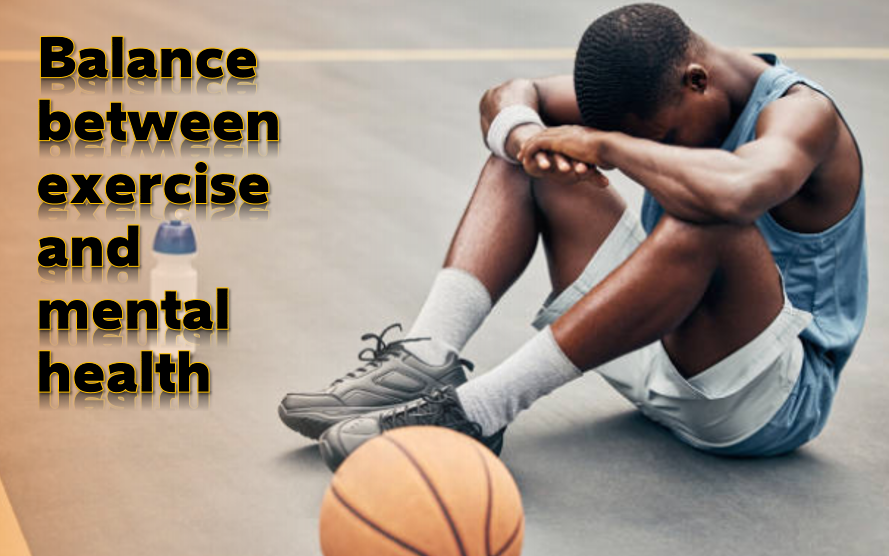
Hey, fitness enthusiasts! Exercise is undoubtedly a great thing, it can make us energetic, happy, and shape a healthy body. However, just like everything has a limit, excessive exercise can lead to exercise addiction, which can cause unexpected problems for mental health. Today, let’s talk about what sports addiction is and how to find the perfect balance between loving sports and maintaining mental health.
Understanding Sports Addiction
Sports addiction, in simple terms, refers to an excessive obsession with exercise, leading to physical and psychological dependence on it. It is different from ordinary sports enthusiasts. When you love sports, exercise is a bonus in life, bringing you happiness and satisfaction; But after becoming addicted to exercise, if you don’t exercise, you will feel uncomfortable all over, and the focus of life seems to revolve around exercise, even sacrificing other important things for exercise.
From a psychological perspective, there are two types of sports addiction. One type is compulsive exercise addiction, where individuals view exercise as a necessary task and experience extreme anxiety and self blame if they fail to achieve their set exercise goals on any given day. For example, one must run 10 kilometers every day. If they fail due to rain, they will feel down and restless all day long. Another type is addictive exercise behavior, in which people exercise to pursue the “pleasure” after exercise, such as the pleasure brought by endorphins. In order to continuously obtain this feeling, they increase the intensity and duration of exercise, gradually losing control over it.
The impact of exercise addiction on mental health


Excessive exercise may disrupt the body’s normal hormone levels, leading to endocrine disorders. For example, cortisol is a stress hormone that normally increases appropriately after exercise to help the body cope with stress. However, long-term excessive exercise in sports addicts can keep cortisol levels high, leading to anxiety and depression. They may inexplicably feel nervous and uneasy, lose enthusiasm for life, and seriously affect their mental health.
Social isolation
When sports addiction dominates life, people often spend a lot of time on exercise, neglecting their interactions with family and friends. The time spent together having meals and watching movies has been replaced by repeated fitness training. Over time, interpersonal relationships gradually become distant, and one may also fall into a sense of loneliness. This social isolation will further increase psychological burden, forming a vicious cycle.
Self cognitive bias
Sports addicts often closely associate their own value with their athletic performance. Once their sports performance is not ideal or they cannot exercise for some reason, they will feel worthless and experience strong self doubt. For example, if one fails to achieve the expected results in a running competition and begins to doubt their abilities and deny their efforts, this unhealthy self-awareness can greatly harm their mental health.
How to maintain balance
Set reasonable goals

Don’t set unrealistic and unrealistic exercise goals for yourself. For example, don’t demand from the beginning that you must complete high-intensity training every day. You can gradually develop a reasonable plan based on your physical condition and time schedule. Exercising 3-5 times a week for 30-60 minutes each time can ensure the effectiveness of the exercise while avoiding excessive fatigue and stress.
Diversified lifestyle
Besides exercise, one should learn to enrich their life. Cultivate other hobbies and interests, such as painting, reading, photography, etc., to make life more colorful. Participate in more social activities, gather with friends, travel, and broaden your social circle. This not only shifts the excessive focus on exercise, but also brings happiness and satisfaction from different life experiences
.

Listen to body sounds
The body is the most honest. When you feel tired, muscle soreness, or joint discomfort, your body is reminding you to rest. Don’t ignore these signals and force yourself to continue exercising. Give yourself enough rest time to give your body the opportunity to recover and adjust, in order to maintain good physical and mental health.
Exercise is a great part of our lives, but we must be wary of the pitfalls of exercise addiction. Maintain balance and make exercise a support for our healthy lifestyle, rather than a burden. If you feel that you may have a tendency towards sports addiction, don’t be afraid, adjust in a timely manner, and seek support from family and friends. If you have any tips for maintaining a balance between exercise and life, please feel free to share them in the comments section. Let’s learn from each other and make life better!
https://www.atrety.com/the-ultimate-guide-to-sports-and-mental-health-from-youth-development-to-elite-performance/