https://www.atrety.com/the-ultimate-guide-to-sports-and-mental-health-from-youth-development-to-elite-performance/
Exercise is closely related to mental health, and people of different age groups can gain unique psychological benefits when participating in exercise. Understanding these unique effects can help people of all ages choose exercise more targetedly and promote mental health.
Adolescence: Personality Shaping and Emotional Management
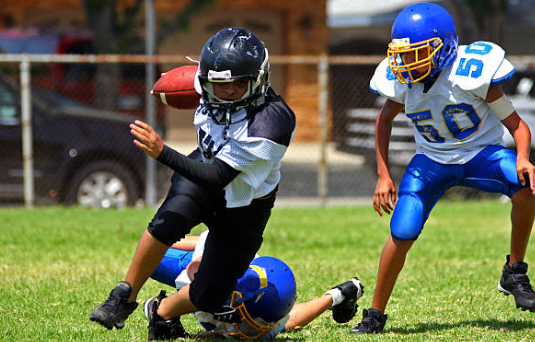
Teenagers are in a stage of rapid physical and mental development, and exercise plays an undeniable role in shaping their mental health. During this period, skeletal muscles rapidly grow and cardiovascular function gradually improves, providing a good foundation for participating in various sports. Team sports such as basketball and football require young people to closely cooperate with their teammates on the field, completing game goals through passing, running, and other forms of collaboration. During this process, they learned communication skills and learned to listen to others’ opinions, thereby enhancing their interpersonal communication abilities. For example, in basketball games, point guards need to accurately perceive teammates’ positions and opponents’ defensive loopholes, pass the ball in a timely manner, which cultivates their sense of teamwork and responsibility. Long term participation in such sports can help teenagers find a sense of belonging in the team, and their personalities will become more outgoing and confident.

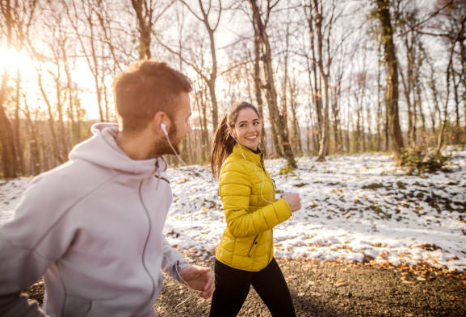
Meanwhile, exercise is also an effective way for teenagers to manage their emotions. With increasing academic pressure and frequent emotional fluctuations during adolescence, teenagers are prone to negative emotions such as anxiety and irritability. Aerobic exercises such as running and swimming can stimulate the body to secrete endorphins, which are “pleasure hormones” that can effectively relieve stress and improve emotional states. When teenagers feel the rhythm of their steps and breathing while running, and immerse themselves in the pleasure brought by exercise, they can temporarily forget the troubles in learning and life, learn to regulate their emotions, and face challenges with a more positive attitude.
Adults: Stress relief and psychological resilience enhancement
As adults, people face various pressures such as work and family, and exercise becomes a key means to relieve stress and enhance psychological resilience. At this point, the body’s functions are in a relatively stable but gradually declining stage, and reasonable exercise helps maintain physical and mental balance. Taking yoga as an example, the postures it includes can relax muscles, while deep breathing and meditation can regulate the nervous system and reduce anxiety. Busy office workers can stretch their bodies, calm their minds, relieve the tension and fatigue caused by work, and restore inner peace through a 30 minute yoga practice after a day’s work.
In addition, participating in competitive sports such as tennis matches can stimulate adults’ fighting spirit and competitive awareness. In the game, facing the opponent’s strong attack, it is necessary to quickly adjust tactics, maintain focus, overcome difficulties, and strive for victory. This experience not only enhances psychological resilience, but also strengthens psychological resilience. Even if you lose in a competition, you can learn from your failures, turn them into growth drivers, better cope with life’s challenges, and cultivate a positive and optimistic attitude.

Elderly period: spiritual comfort and cognitive maintenance
Entering old age, physical function declines, and psychological feelings such as loneliness and loss are more likely to occur. Exercise plays an important role in providing spiritual comfort and cognitive maintenance at this time. Low intensity exercises such as walking and Tai Chi are very suitable for the elderly. Taking a walk every day, breathing fresh air outdoors, and enjoying natural scenery can make elderly people feel happy. Engaging in low-intensity competitive sports appropriately can also exercise both the body and mind. During the exercise, it is important to communicate and interact with neighbors and friends, expand social circles, reduce feelings of loneliness, and gain emotional support. Research has shown that long-term exercise can help improve cognitive function in the elderly, delay brain aging, reduce the risk of cognitive disorders such as dementia, and enable them to maintain a positive mental state and enjoy a peaceful old age.

People of different age groups can gain unique and valuable benefits in terms of mental health by participating in sports programs that suit them. From shaping the personality of teenagers, to relieving stress for adults, to providing spiritual comfort for the elderly, exercise is like a universal key that opens the door to a good mental health state for people of all ages.
https://www.atrety.com/the-ultimate-guide-to-sports-and-mental-health-from-youth-development-to-elite-performance/