https://www.atrety.com/unlocking-mental-wellness-the-definitive-guide-to-exercise-for-brain-health/
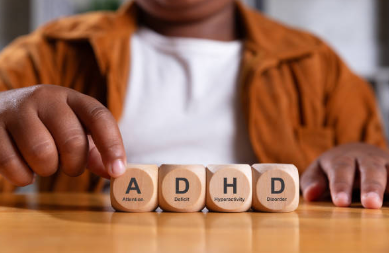
Attention Deficit Hyperactivity Disorder (ADHD) is like a haze in the growth journey of children and adolescents, bringing many troubles to children and their families. ADHD is mainly manifested as attention deficit, hyperactivity, and impulsive behavior that are not commensurate with age and developmental level, seriously affecting children’s learning, social interaction, and daily life. However, in recent years, an increasing number of studies have shown that exercise, as a natural and effective intervention, has brought new hope for the improvement of ADHD.
The impact of ADHD
ADHD is not simply mischievous or inattentive, it is a neurodevelopmental disorder. Children with ADHD have difficulty concentrating for long periods of time in the classroom, and are easily distracted by things around them, leading to poor academic performance. In terms of social interaction, they may find it difficult to establish good relationships with peers due to excessive activity and impulsive behavior, and are often misunderstood as “disobedient” and “impolite”. In the family, it can also bring great challenges to parents’ education, and the parent-child relationship may become tense as a result. Being in such a state for a long time can easily lead to psychological problems such as inferiority and anxiety, which is extremely detrimental to their physical and mental health development.
The positive effects of exercise

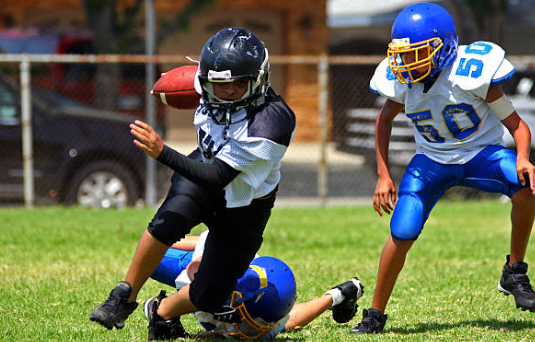
Exercise has a significant effect on improving ADHD symptoms, mainly reflected in three aspects: first, neurotransmitter regulation. Exercise can promote the secretion of neurotransmitters such as dopamine, norepinephrine, and serotonin in the brain, improve the dysfunction of the dopamine system in ADHD patients, enhance the brain’s regulation of attention, strengthen attention, alertness, and stabilize emotions; The second is the optimization of brain structure and function. Long term regular exercise can increase the volume of the hippocampus, which is closely related to learning, memory, and attention, promote the remodeling and strengthening of brain neural connections, enhance the collaborative work between the frontal lobe and other brain regions, and improve the coordination efficiency of various brain regions when ADHD children perform tasks; The third is the improvement of self-regulation ability. Participating in sports programs requires ADHD children to abide by rules and self-restraint. Through continuous practice, they can learn to control behavior and emotions, restrain impulses in team sports, cooperate with teammates, and experience challenges and achievements in sports, which also helps to build confidence and enhance self-management ability.
Key points for implementing exercise intervention
- Personalized customization: The symptoms and severity of ADHD vary for each child, so exercise intervention programs need to be tailored to each individual. Parents and professionals should fully evaluate their children’s physical condition, interests, and ADHD symptoms, and choose the most suitable exercise program and intensity for their children. For example, for children who are too impulsive and have poor coordination, they can start with simple yoga, balance training, etc., and gradually transition to more complex exercise programs.

Step by step: The intensity and difficulty of exercise should gradually increase to avoid putting too much pressure on children from the beginning. Taking running as an example, one can start with a short jog and gradually increase the distance and speed of running as the child’s endurance and attention improve. When learning new motor skills, children should break down their movements into small steps and gradually master them. Each small progress should be affirmed and encouraged to enhance their confidence and participation enthusiasm.
3. Regular adherence: Exercise intervention for ADHD requires long-term persistence to achieve significant results. Establishing regular exercise habits is crucial. Parents can develop detailed exercise plans for their children and try to maintain a fixed exercise schedule. For example, schedule 30-60 minutes of exercise after school every day, and increase exercise time or participate in more diverse sports activities on weekends. At the same time, parents should lead by example, actively participate in sports, set an example for their children, and create a good family sports atmosphere.
4. Combining with other intervention methods: Exercise intervention does not exist in isolation, and when combined with other intervention methods such as medication and psychological counseling, it often achieves better results. Drug therapy can help children alleviate ADHD symptoms, enabling them to better concentrate, learn, and master motor skills during exercise; Psychological counseling can help children better understand their emotions and behaviors, improve their self-awareness and ability to cope with stress, and promote their recovery together with exercise intervention.
Exercise, as a natural and effective intervention, opens a door to improvement and growth for children with ADHD. Through scientifically reasonable exercise interventions, we have reason to believe that children with ADHD can gradually overcome problems such as lack of concentration, hyperactivity, and impulsivity during exercise, improve self-management abilities, better integrate into learning and life, and shine with their own brilliance
https://www.atrety.com/unlocking-mental-wellness-the-definitive-guide-to-exercise-for-brain-health/