https://www.atrety.com/the-ultimate-guide-to-sports-and-mental-health-from-youth-development-to-elite-performance/
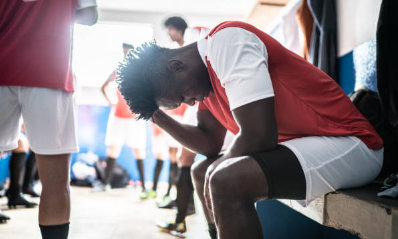
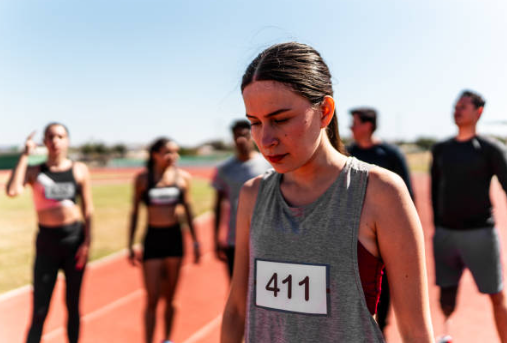
On the stage of sports competitions, tension and anxiety often accompany each other, becoming the “roadblock” for athletes to showcase their abilities. However, these emotions are not invincible, as long as you master the correct methods, you can effectively cope and show your best state on the field.
Pre match: Building a strong psychological defense line
Adequate preparation is the cornerstone of relieving tension and anxiety. Athletes should develop a scientific and reasonable training plan before the competition to ensure that their skills and physical fitness are in good condition. For example, a long-distance runner can enhance their sense of control over the race and reduce anxiety caused by the unknown through long-term and systematic endurance training, speed training, and simulated competition scenario training. At the same time, fully understanding the rules of the competition, the environment of the venue, and familiarizing oneself with the atmosphere of the arena in advance can also help reduce tension.
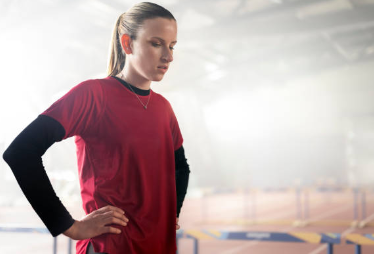
Positive psychological suggestion is equally crucial. Athletes should learn to encourage themselves with positive language, such as “I am well-trained and can definitely do it” and “Every challenge is an opportunity for growth”. This kind of self affirmation can stimulate internal motivation, enhance self-confidence, and make the mentality more peaceful. In addition, it is also possible to imagine the smooth performance of the game and construct successful scenarios in the mind, so as to prepare for the game subconsciously.
During the competition: Flexibly adjust mentality
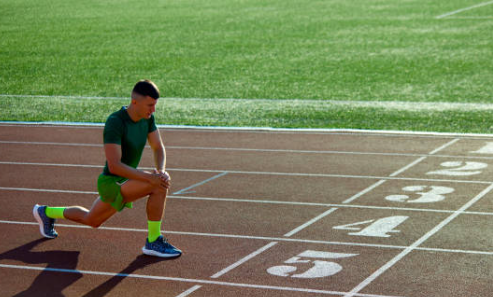
During the competition, when tension and anxiety arise, breathing regulation can be used. Taking deep breaths, inhaling slowly, filling the abdomen with air, and then exhaling slowly, repeating several times, can effectively relax the muscles of the body and relieve tension. At the same time, focusing attention on the current action and task, such as shooting athletes focusing on every detail of aiming at the bullseye, shielding external interference, can avoid exacerbating anxiety due to excessive distractions.
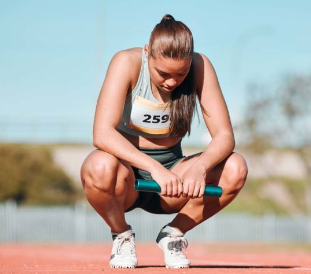
It is also important to have a reasonable view of the competition results. Athletes should understand that competition is not only about winning or losing, but also about testing and improving their own abilities. Shifting focus from final grades to effort and progress throughout the process can alleviate psychological burden. If there is a mistake during the competition, do not blame yourself excessively, but quickly adjust your state, focus on the follow-up steps, and believe that you have the ability to make up for it.
Post match: Summarize experience and continue to grow
After the competition, regardless of the outcome, a comprehensive review must be conducted. Analyze the successful experiences and shortcomings in dealing with tension and anxiety, summarize which methods are effective, and identify areas that need improvement. For example, if a relaxation technique is found to have played a good role in a competition, it can be continued to be used in future training and competitions; If you realize that you are prone to nervousness in a certain aspect, you can conduct targeted reinforcement training.
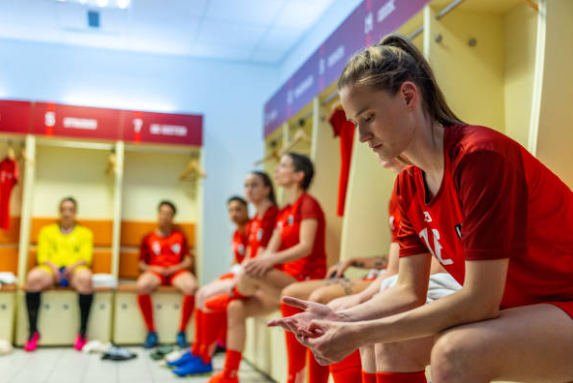
Through continuous summarization and reflection, athletes can gradually improve their ability to cope with tension and anxiety, and form more mature psychological qualities. At the same time, viewing competitions as opportunities for growth, maintaining a positive attitude, constantly challenging oneself, and being able to cope with various emotions more calmly in future competitions, can lead to higher levels of performance.
In the journey of sports competitions, although tension and anxiety are difficult to completely avoid, as long as we master scientific coping methods and make comprehensive adjustments and improvements from before, during, and after the competition, we can effectively resolve these emotional troubles and shine our own light on the field.
https://www.atrety.com/the-ultimate-guide-to-sports-and-mental-health-from-youth-development-to-elite-performance/