https://www.atrety.com/the-ultimate-guide-to-exercise-and-mental-wellness-transforming-brain-health-and-vitality/
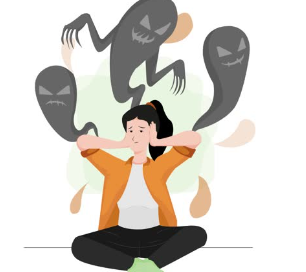
In the pursuit of health and vitality in the journey of sports, many people will encounter an invisible “roadblock” – fear psychology. Both beginners and experienced sports enthusiasts may be shrouded in fear at certain moments, which can affect their sports experience and effectiveness. However, fear is not invincible. As long as we master the right methods, we can overcome psychological barriers and fully enjoy the joy and sense of achievement brought by sports.
Analyzing the Root Causes of Sports Fear Psychology
Concerns about injury

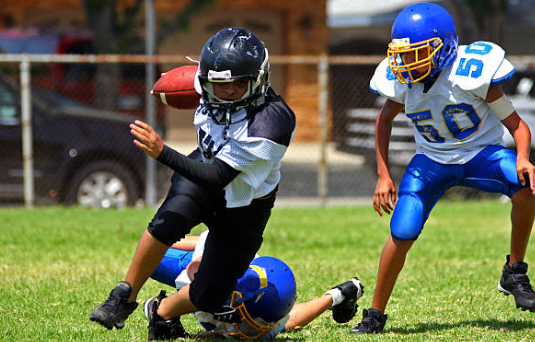
There is a certain risk of injury during exercise, which is a common cause of fear. Especially when seeing others getting injured during sports or having experienced injuries themselves, this concern becomes even stronger. For example, when engaging in competitive sports such as basketball and football, there is concern about being hit or falling, which could lead to fractures or sprains; Participate in extreme sports such as rock climbing and skiing, afraid of falling from heights or losing control and getting injured. This fear of injury can make people fearful of their hands and feet during exercise, preventing them from fully utilizing their abilities.
Anxiety about one’s own performance

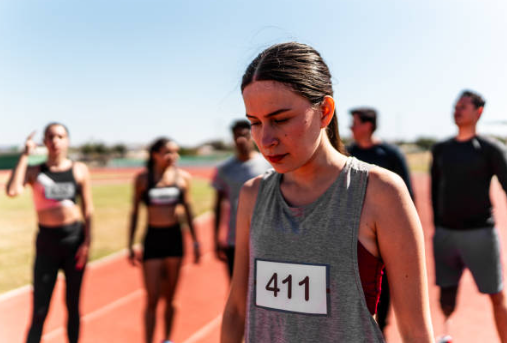
In group sports or competitive competitions, people often care about others’ evaluations and worry about their own poor performance. For example, in fitness classes, I am afraid of not keeping up with the rhythm, not performing standard movements, and being ridiculed by others; Participate in running competitions, worried about slow speed and unsatisfactory results. This anxiety about one’s own performance can bring immense psychological pressure, leading to feelings of fear and even potentially causing avoidance of physical activity.
The unfamiliarity with unknown sports events
When trying a new sport, it is easy to develop a sense of fear due to a lack of understanding of its rules, techniques, and risks. For example, the unfamiliarity with the underwater environment and uncertainty about whether one can adapt to breathing equipment during their first encounter with diving can make them feel nervous and uneasy; The first attempt at long-distance cycling travel resulted in a lack of understanding of the route, physical exertion, and potential situations, leading to fear. This fear of the unknown can hinder people from expanding their sports field and miss out on many interesting sports experiences.

Effective strategies to overcome fear of exercise

Be fully prepared and enhance confidence
Adequate preparation before exercise can effectively reduce fear. On the one hand, it is necessary to have a comprehensive understanding of the sports program, including rules, techniques, safety precautions, etc. You can obtain this information by watching instructional videos, reading relevant books, or consulting with professionals. For example, before learning to swim, understanding the essentials of different swimming strokes, pool safety rules, and self rescue methods will give you a sense of confidence, and fear will naturally ease. On the other hand, it is important to be physically and well-equipped. Perform appropriate warm-up exercises, move joints, stretch muscles, improve body flexibility and agility, and reduce the risk of injury. At the same time, equip appropriate sports equipment such as reliable quality sports shoes, protective gear, etc., to provide safety guarantees for sports and enhance self-confidence.
Set reasonable goals and gradually challenge them
Breaking down big goals into smaller ones and gradually challenging them can help us accumulate successful experiences, enhance self-efficacy, and overcome fear in the process of achieving our goals. For example, for people who are afraid of long-distance running, they can set a small goal of running 2 kilometers three times a week. Once this goal is easily achieved, gradually increase the distance and frequency of running. When participating in competitive competitions, do not expect to achieve excellent results from the beginning. Instead, aim to finish the competition first, and as you accumulate experience and improve your abilities, pursue higher rankings. Through this gradual approach, the body and mind gradually adapt to the intensity and pressure of exercise, overcoming fear.
Seeking support and sharing experiences
Seeking support and assistance from others is crucial during exercise. You can exercise with friends, encourage and supervise each other, and share the joy, anger, sadness, and happiness during exercise. The companionship of friends can make sports more enjoyable, and at the same time, provide spiritual support and practical assistance when encountering difficulties. In addition, joining sports communities or clubs is also a good choice. In the community, exchanging experiences with like-minded people, seeking advice from experienced seniors, can gain more knowledge and skills in sports, and draw strength from others’ experiences of overcoming fear, enhancing one’s confidence in overcoming fear.
Change your mindset and face it positively
Learn to change your way of thinking about exercise and shift your focus from fear and worry to the positive aspects that exercise brings. Don’t always think about the possibility of injury or poor performance, but think more about the benefits of exercise on physical health, mental health, and quality of life. For example, running can release stress and improve mood; Yoga can enhance body flexibility and improve concentration. When we view sports with a positive mindset, fear will gradually be replaced by positive emotions. At the same time, when fear arises, try to engage in positive self suggestion, telling yourself ‘I can do it’ and ‘this is an opportunity to challenge myself’, adjusting your mindset and bravely facing fear during exercise.
Although fear during exercise is common, it is not insurmountable. By delving into the root causes of fear and adopting targeted strategies to overcome it, we can gradually overcome fear and immerse ourselves in sports with greater confidence and positivity, fully enjoying the infinite charm and benefits that sports bring. Let us bravely take the first step, break free from the shackles of fear, and embark on a dynamic and challenging journey of sports.
https://www.atrety.com/the-ultimate-guide-to-exercise-and-mental-wellness-transforming-brain-health-and-vitality/