
https://www.atrety.com/the-ultimate-guide-to-exercise-and-mental-wellness-transforming-brain-health-and-vitality/
During my student years, academic pressure was always present. The mountain of homework and frequent exams often leave students breathless. But in fact, exercise is a good remedy for relieving academic stress.
The physiological stress reduction mechanism of exercise
Endorphins and Pleasure
When students engage in exercise, their bodies secrete endorphins. Taking running as an example, after running continuously for about 20 minutes, the body enters a state and a large amount of endorphins are released. Endorphins, also known as “happiness hormones,” can effectively alleviate negative emotions such as anxiety and depression, bringing a sense of pleasure and relaxation, and temporarily helping students forget about the fatigue and pressure of studying. Research has shown that engaging in 30 minute aerobic exercise three times a week can increase endorphin levels by 20% -30% and significantly improve emotional states.
Regulating neurotransmitters
Exercise can also regulate neurotransmitters such as dopamine and serotonin. Dopamine is related to the reward and motivation system of the brain, and moderate exercise can promote dopamine secretion, enhance students’ learning motivation and enthusiasm. Serotonin is crucial for emotional stability, and exercise can increase serotonin levels, helping students stay calm, focused, and better cope with learning challenges. Team sports like basketball require players to constantly run, pass, and shoot during the game. Dopamine and serotonin are continuously secreted in the brain, making participants feel energetic after the exercise and increasing their enthusiasm for learning.
Reduce stress hormones
Long term study stress can increase the levels of stress hormones (such as cortisol) in the body, affecting physical and mental health. Exercise can reduce cortisol secretion. After a 45 minute fitness exercise, cortisol levels can significantly decrease within a few hours, reducing the body’s stress response and freeing students from a tense learning state, restoring physical and mental balance.
The psychological stress relieving effect of exercise

Divert attention
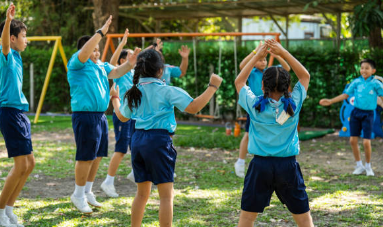
Learning for a long time can easily lead to fixed thinking patterns and the accumulation of pressure. Exercise can divert students’ attention from learning difficulties. For example, doing 5-10 minutes of simple stretching exercises during breaks, moving body joints, and focusing on motion sensation can relax tense nerves and allow the brain to rest. When returning to learning, thinking will become clearer and efficiency will be higher.
Enhance self-confidence
Every achievement of a sports goal is a boost in self-confidence. Students who successfully complete a difficult yoga pose or break their own record in a long run will gain a sense of achievement. This sense of achievement will extend to learning, making students believe in their ability to overcome difficulties and feel more confident when facing academic pressure.
Build a Positive Mental Attitude
Regular exercise can cultivate students’ perseverance and perseverance, making it easier to maintain a positive and optimistic attitude when facing academic pressure. Students who persist in exercising for a long time will not easily become discouraged when encountering learning bottlenecks, but will see it as a challenge and actively seek solutions. This mentality is crucial for relieving learning pressure.
Sports programs suitable for students
Inter class stretching exercise

During the 10 minute break, students can engage in simple stretching exercises. Bend forward in a standing position with both feet together, slowly bend down and touch your toes with your hands, hold for 15-30 seconds, and stretch the muscles behind your legs and waist; Extend the neck, bend left and right, nod back and forth, move the neck joints, and relieve neck fatigue. These exercises are simple and easy to perform, which can quickly relax the body and store energy for the next class.
Jogging
In my spare time, jogging is a good choice. Slow jog around the playground for 20-30 minutes, with light steps and even breathing. During jogging, you can enjoy the campus scenery, clear your mind, and release stress. Long term persistence can also improve cardiovascular function and enhance physical fitness.
Team sport
Team sports such as basketball and football can not only exercise the body, but also cultivate teamwork skills. Students communicate and interact with their teammates, share happiness, and release stress. After a basketball game, not only does the body get exercised, but the mood also becomes particularly relaxed, and the pressure of studying naturally decreases.
Exercise has a significant effect on relieving academic stress. Students can arrange their time reasonably, integrate exercise into their learning life, relax their body and mind during exercise, and meet learning challenges in a better state. But when exercising, one should pay attention to moderation, avoid injury, and choose the appropriate exercise program and intensity according to one’s own situation.
https://www.atrety.com/the-ultimate-guide-to-exercise-and-mental-wellness-transforming-brain-health-and-vitality/