https://www.atrety.com/unlocking-mental-wellness-the-definitive-guide-to-exercise-for-brain-health/
In modern society, obesity is not just a matter of body shape, it often brings heavy psychological burden to obese individuals. Negative emotions such as inferiority, anxiety, and depression, like haze, envelop their lives. However, exercise is like sunshine piercing through the haze, bringing hope for obese people to overcome their psychological difficulties.
Psychological dilemma caused by obesity
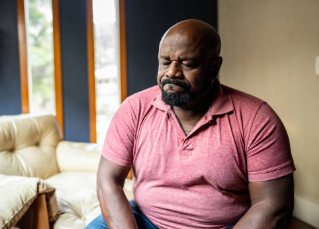
Obese individuals often face many challenges in their daily lives, and the strange looks and prejudices from the outside world make them prone to self doubt. In school, workplace, and social situations, unintentional ridicule and discrimination gradually erode their confidence. This long-term psychological pressure leads to social withdrawal, unwillingness to participate in collective activities, and fear of becoming the focus of others’ attention. According to relevant research, the incidence rate of depression in obese people is significantly higher than that in normal weight people. They are filled with dissatisfaction with their own image and feel lost about the future, as if trapped in an inescapable psychological cage.
The positive impact of exercise on psychological state
The pleasure brought by endorphins
When obese individuals start exercising, their bodies secrete a substance called endorphins, also known as the ‘happiness hormone’. Taking running as an example, after a period of continuous exercise, the body enters a wonderful state where endorphins are secreted in large quantities, giving the athlete a pleasant and relaxed feeling. This sense of pleasure can effectively alleviate negative emotions such as anxiety and depression, helping obese individuals temporarily forget about the troubles in life and immerse themselves in the positive experiences brought by exercise. Long term exercise and continuous secretion of endorphins can significantly improve the emotional state of obese individuals and gradually help them overcome psychological distress.
Self confidence reshaping brought about by physical changes
As exercise progresses, obese individuals’ bodies undergo a series of positive changes. Their weight gradually decreases and their body lines become tighter, these visible changes greatly enhance their sense of self-identity. Every time I see my progress in the mirror, every time I feel my body becoming lighter and stronger, it’s like lighting up a lamp in the darkness. They, who once felt inferior due to obesity, began to re-examine themselves and realized that they had the ability to change, and their confidence gradually rebuilt. For example, after several months of fitness training, an obese person successfully lost weight, not only making their body healthier, but also daring to actively participate in social activities, showcasing a new self.
Social interaction breaks loneliness
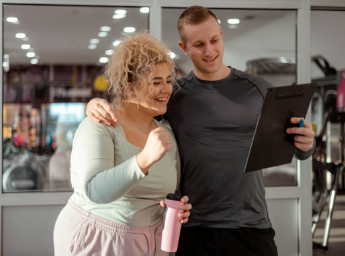
Many sports provide opportunities for obese individuals to socialize. By participating in fitness classes, one can make like-minded friends, sweat together, and encourage each other; Join a running club to exchange experiences and share the joy of sports in group activities. This social interaction allows obese individuals to no longer feel lonely. Through communication with others, they find a sense of belonging and learn how to establish positive relationships with others. Moreover, in the sports community, people are more concerned about each other’s efforts and progress rather than their body shape, which creates a warm and inclusive environment for obese individuals, helping them open up and break free from psychological isolation.
Exercise programs suitable for obese individuals
swim
Swimming is an extremely friendly sport for obese individuals. The buoyancy of water reduces the weight of the body, lowers the pressure on joints, and also exercises muscles throughout the body. During swimming, obese individuals can fully enjoy the pleasure of exercise without worrying about inconvenience caused by weight. Swimming 2-3 times a week for 30-60 minutes each time can effectively burn calories, relax the body and mind, and relieve psychological pressure.
yoga
Yoga emphasizes the training of flexibility and balance in the body, while emphasizing the harmony and unity of the mind and body. Obese individuals can enhance their flexibility and improve their posture by practicing various yoga postures such as tree, triangle, and dog pose. During the practice process, combining deep breathing and meditation can help them concentrate, eliminate distractions, and alleviate anxiety. Regularly attending yoga classes and practicing with other students can also provide spiritual nourishment in a warm atmosphere.
cycle
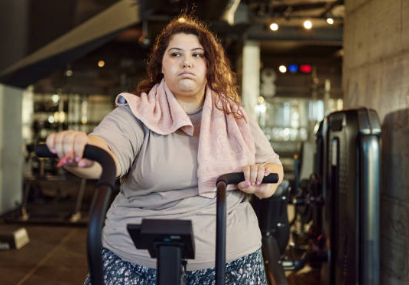
Riding a bicycle is a simple and fun way of exercising. Whether riding outdoors to enjoy the scenery or riding a spinning bike indoors, it can help obese individuals release stress during exercise. When cycling, the body’s movement accelerates blood circulation, providing the brain with sufficient oxygen supply, which helps improve mood. Moreover, cycling allows for free adjustment of speed and intensity, making it suitable for obese individuals of different physical fitness levels, allowing them to embark on a journey of exercise in a relaxed and enjoyable atmosphere.
For obese individuals, exercise is not only a physical exercise, but also a spiritual redemption. Through exercise, they can dispel psychological haze, regain confidence and happiness, and embrace a positive and healthy life. If you or someone around you is struggling with psychological problems caused by obesity, encourage them to bravely take the first step towards exercise and embark on this hopeful journey of psychological healing.
https://www.atrety.com/unlocking-mental-wellness-the-definitive-guide-to-exercise-for-brain-health/